Tuff Shed Site Prep & Utilities: The Santa Clarita Owner’s Guide
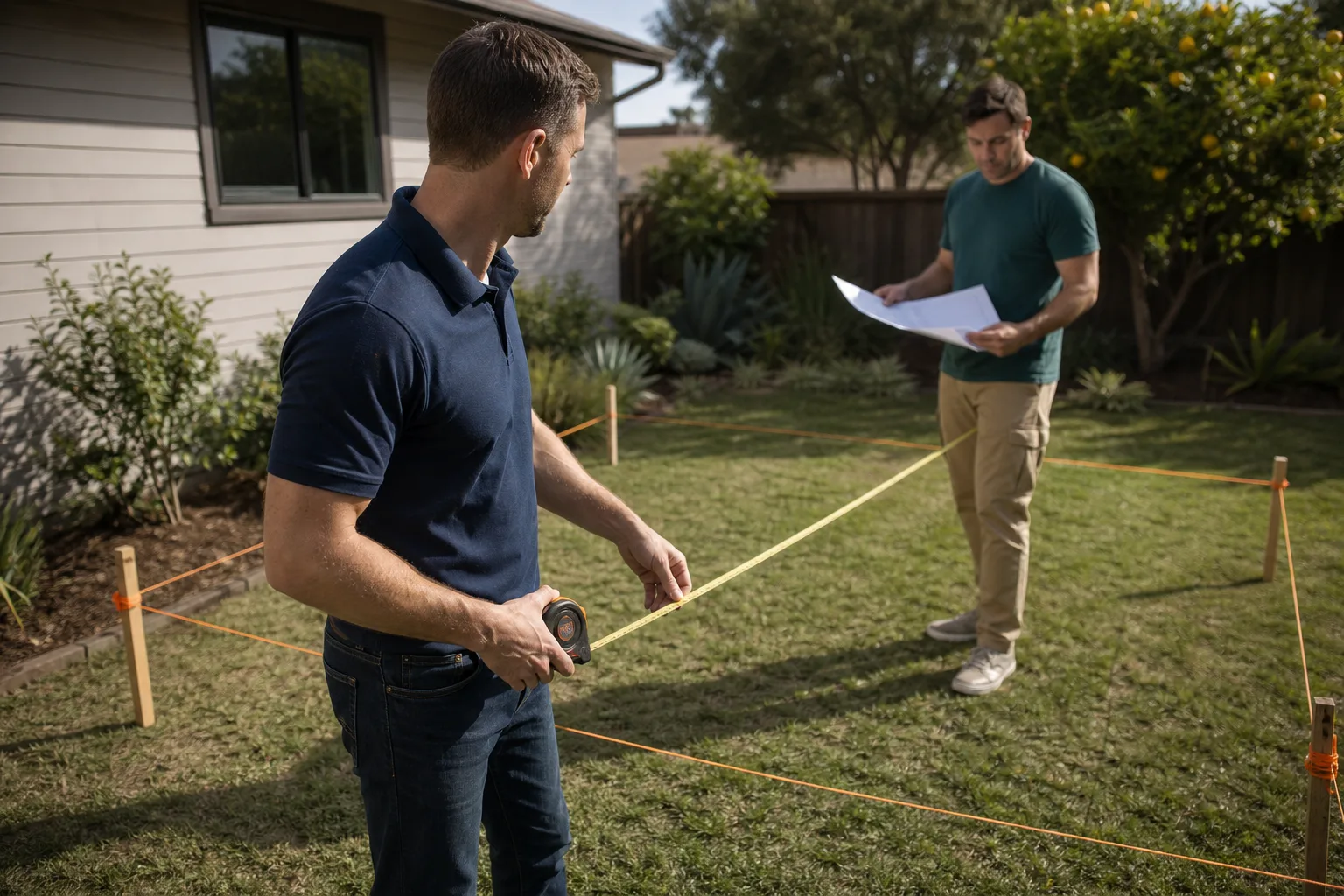
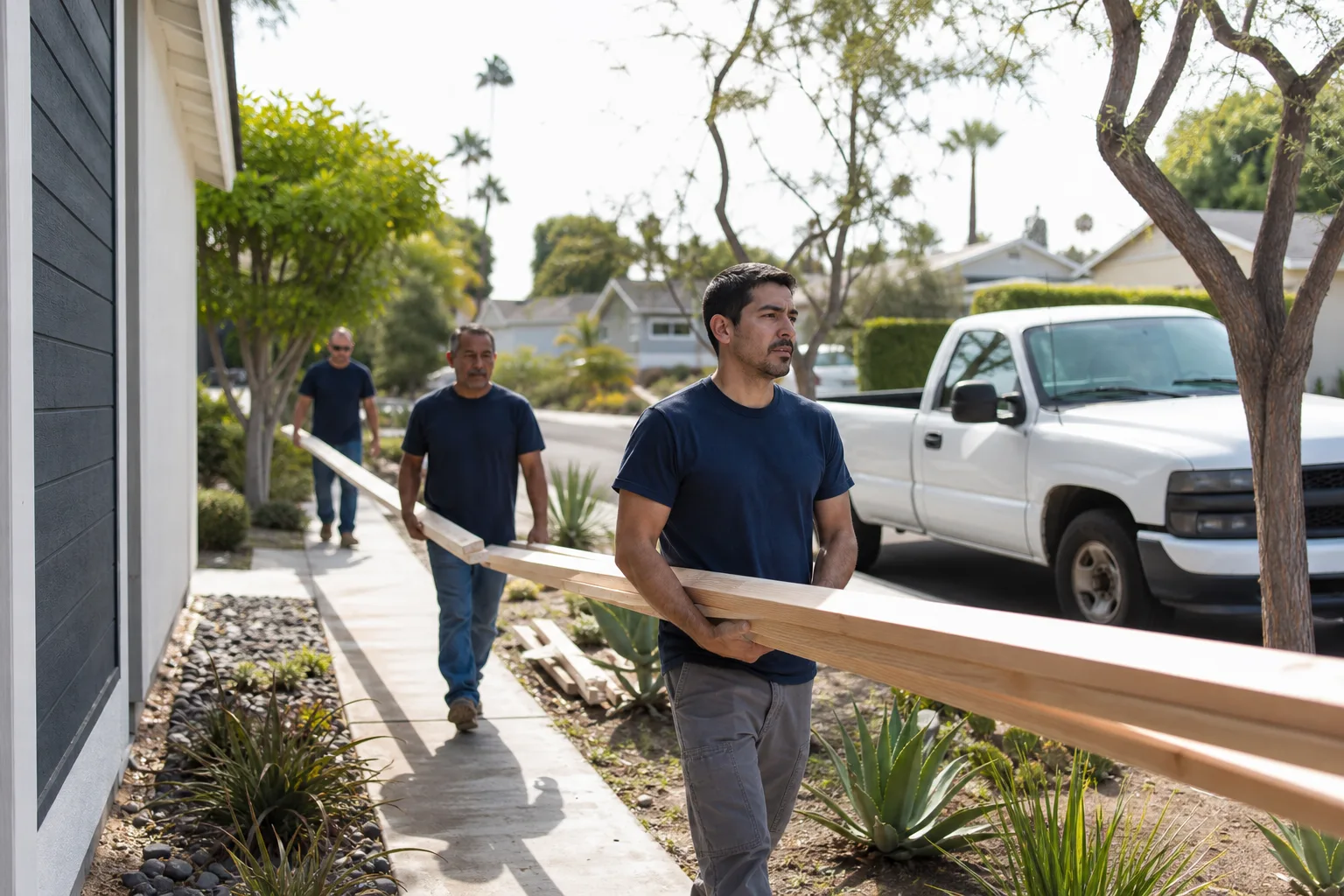
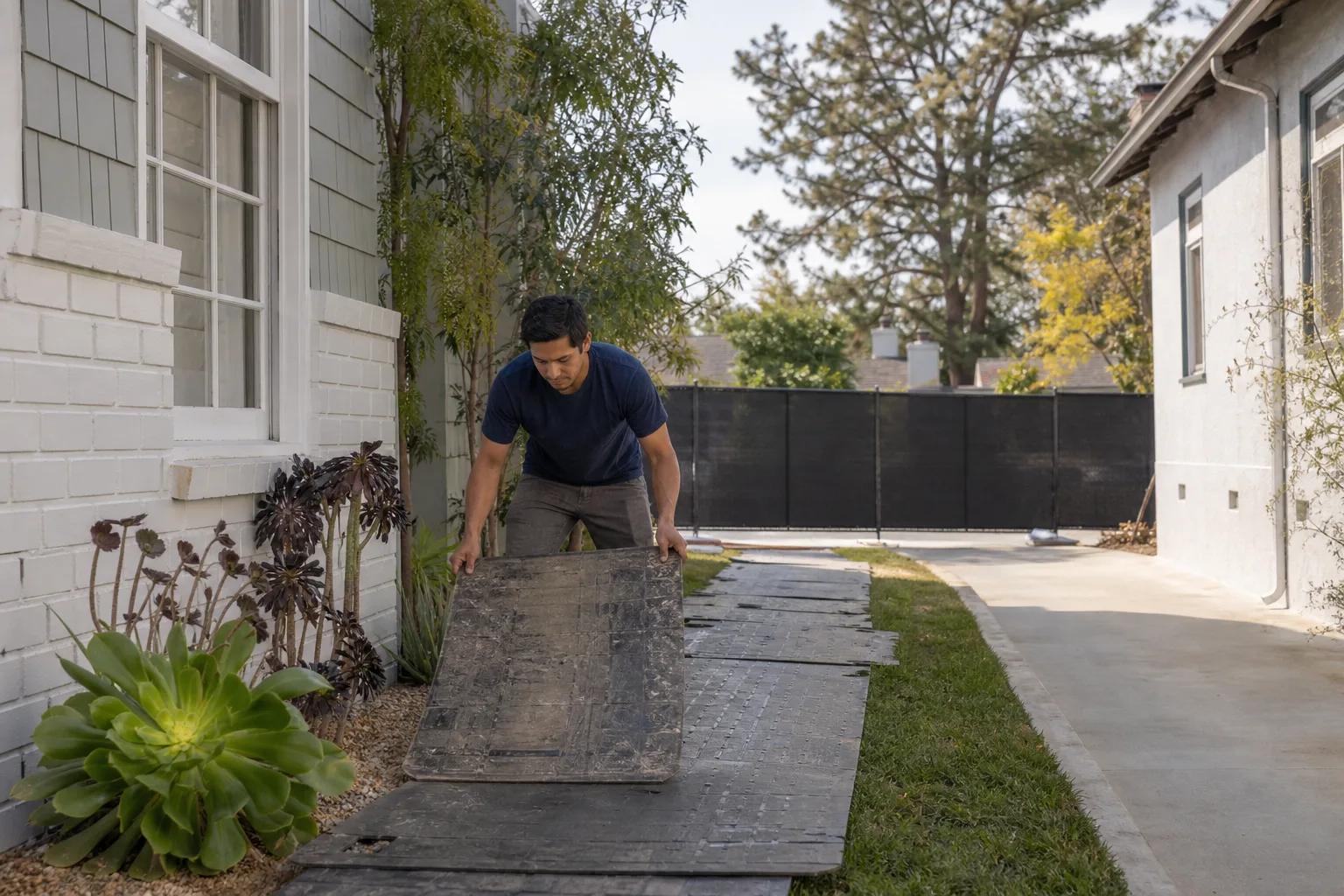
Site prep and utility rough-in for a Tuff Shed in Santa Clarita typically runs $2,800 to $9,500 installed, depending on whether you’re leveling a pad for a storage shed or trenching power and water to a finished backyard studio. We stock the materials our crews use every week and can usually have a tech on your lot within a few days to quote it in writing before anything gets dug. Most homeowners discover this problem the hard way: the shed arrived or was ordered, the ground under it is not as flat as it looked from the kitchen window, and nobody thought through where the electrical panel feed would come from until the inspector asked.
We’re an independent Santa Clarita builder, not affiliated with Tuff Shed corporate, but we work with their product line regularly and know what their structures actually require once they leave the factory floor.
Which Tuff Shed Models This Applies To
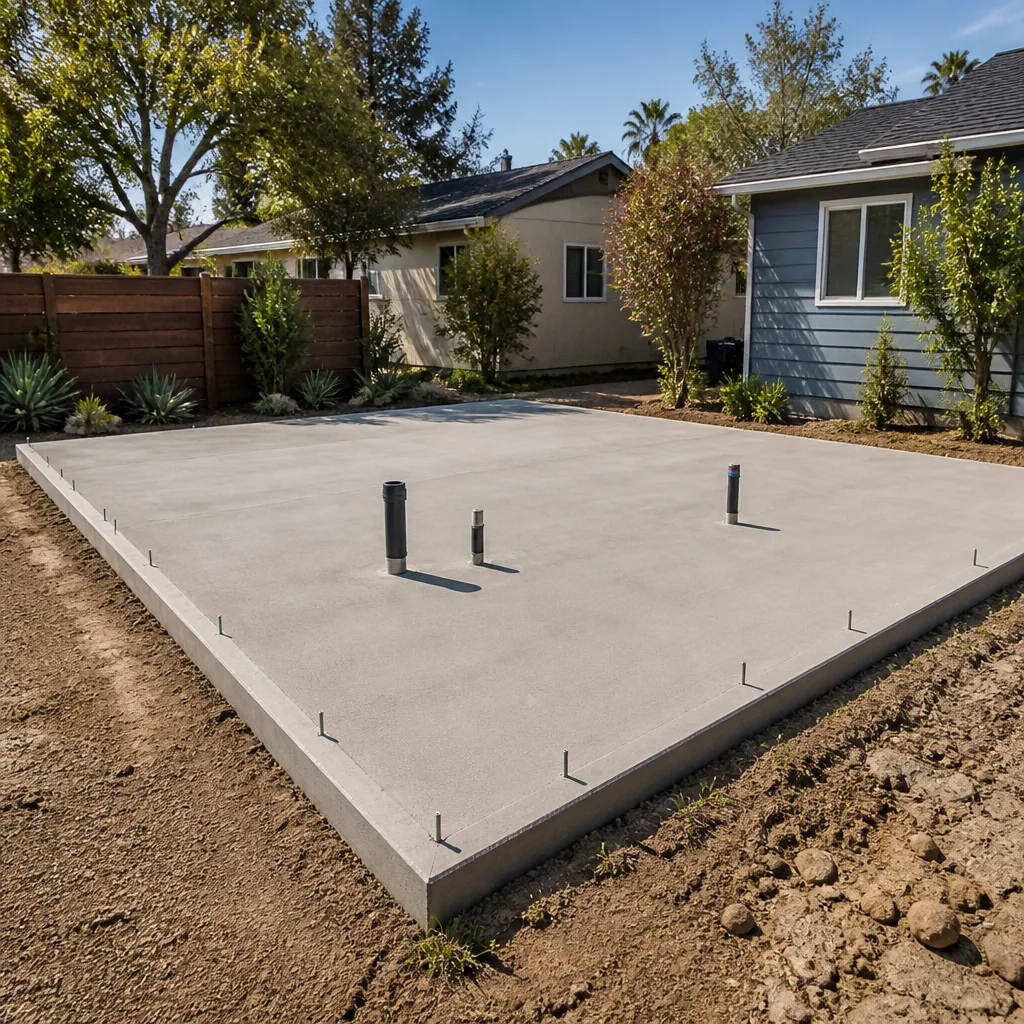
Every Tuff Shed model shares one reality: the factory builds the shed, not the ground under it. That means site prep applies to the Premier Series, Pro Series, and the Sundance Series the same way it applies to a custom ordered two-story barn. The difference is in what each model demands. A Pro Series Tall Barn with a loft needs a flatter pad and wider gravel apron than a Premier Ranch, simply because the footprint spreads load differently. A Sundance Series with a porch overhang in Santa Clarita’s wind corridors needs anchoring that accounts for uplift, not just weight.
When you’re identifying what your specific shed needs, the Tuff Shed order sheet is the place to start. Look for the foundation notation: “on-grade” assumes soil bearing capacity that Santa Clarita’s decomposed granite sometimes doesn’t provide after a wet winter. OEM anchor kits are sized to the shed’s base rail spacing, which varies between 12-inch and 16-inch centers depending on the model and year. Aftermarket anchors work fine, but they must match that rail spacing or you’ll end up with anchors that don’t catch the frame cleanly. For utilities, the question is whether your shed was ordered with an electrical pre-package. If it wasn’t, you’re looking at a full rough-in from the main panel, not a simple tie-in.
Signs Your Tuff Shed Site Prep & Utilities Is Failing
- The door binds or drags at one corner. This means the pad has settled unevenly. Santa Clarita’s clay-heavy soil expands and contracts through the year, and a shed that was level in June can be a quarter-inch out by February. Left alone, the frame torques and the door track wears fast.
- You see a visible gap between the floor joists and the ground on one side. That gap means water is getting under the shed during rain, and the skids or joists are doing the work the pad should be doing. Rot follows, usually within two to three years.
- Breakers trip when you run anything stronger than a shop light. Many Tuff Shed electrical pre-packages are sized for a single 15-amp circuit. A small space heater in December pushes past that. If your breaker trips regularly, the rough-in wasn’t matched to how you actually use the space.
- The outlet covers are warm to the touch, or you smell a faint scorched-plastic odor near the subpanel. Warmth means resistance at a connection point, and resistance means heat. That is not a wait-and-see situation. Have it looked at before you run anything else through that circuit.
- Water pools against the shed’s drip edge after a rain. This points to drainage problems, not just a cosmetic puddle. In Santa Clarita’s short but intense rain seasons, water saturating the soil around the foundation will eventually undermine the pad edge and loosen the anchors.
Replacement Cost & What’s Included
Here’s what families in Santa Clarita are budgeting for this work, based on the projects we’ve priced recently.
| Scope | Typical Installed Range | What Moves the Price |
|---|---|---|
| Gravel pad leveling (existing pad) | $800 – $1,700 | Pad size, amount of fill needed, access to the yard |
| New compacted gravel or decomposed granite pad | $2,800 – $5,500 | Shed footprint, slope of the lot, retaining edge needed |
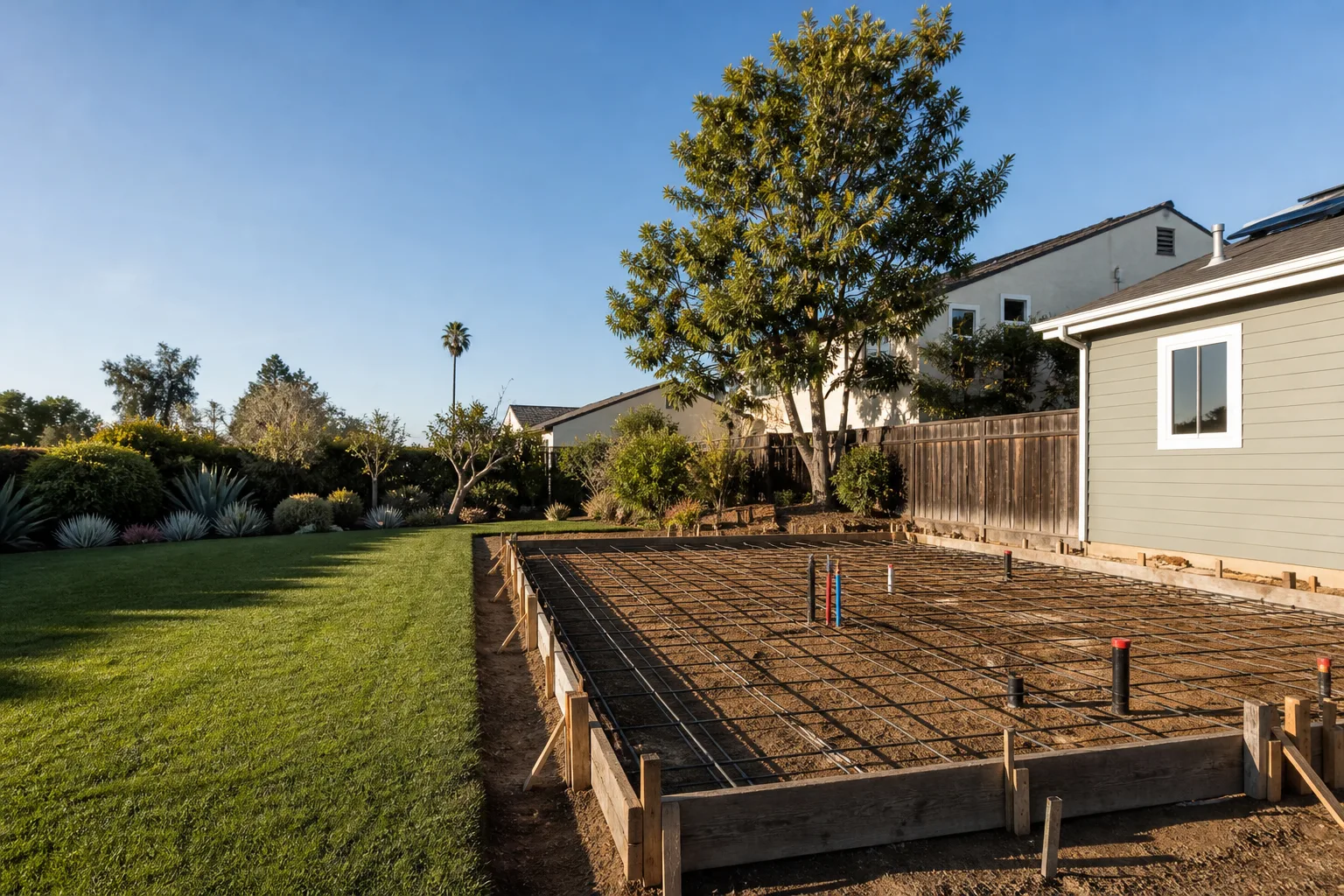
| Concrete slab for a Tuff Shed office or studio | $5,500 – $12,000 | Slab thickness, any required piers, rebar spec from engineer |
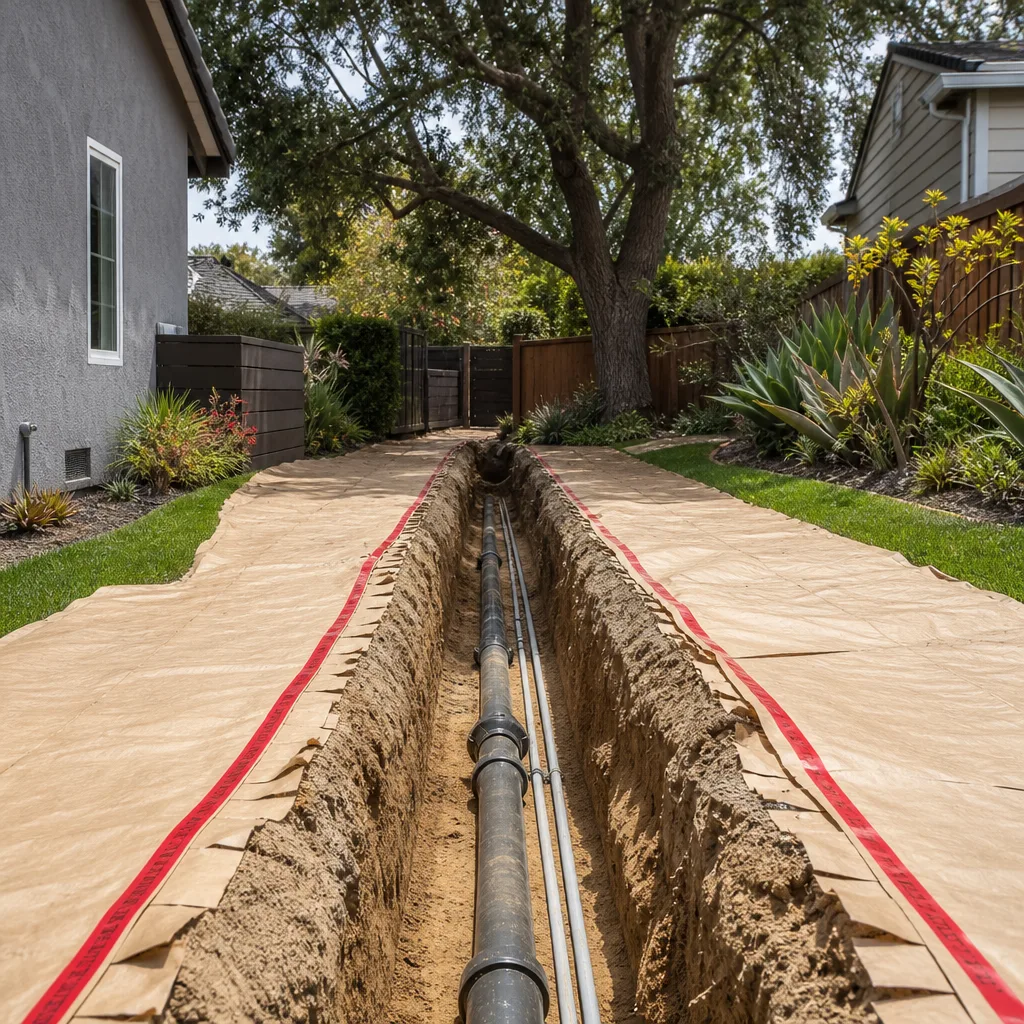
| Electrical rough-in (single circuit, short run) | $1,200 – $2,600 | Distance from main panel, trenching conditions, panel capacity |
| Full utility trench (power plus data or water) | $4,000 – $9,500 | Combined trench vs separate, depth requirements, soil type |
Every quote from us includes the pad or anchor work, the parts at cost plus a standard margin, the labor to get it done, and a written line item list so you know exactly what you’re paying for. We pull the permit when the city requires one, and the work carries our 365-Day Done Right Promise. If it’s not done right, we make it right.
DIY or Call Us?
There’s a simple line here. If you’re checking a level with a string line across the pad, checking that existing anchors are snug, or mapping out where the mud pools after a rain, that’s good homeowner diligence and nothing is going to hurt you. If the task involves trenching to a panel feed, running conductors through conduit, or moving a shed to fix the pad under it, that’s where we’d recommend a licensed pro. Trenching near buried utilities in Santa Clarita means a call to DigAlert before any shovel goes in, and electrical work inside a structure means a permit and an inspection. The cost of fixing a botched rough-in later always exceeds the cost of doing it right once.
If you’re not sure which side your task falls on, call (661) 362-8059 and describe what you’re seeing. We’ll tell you honestly whether it’s something you can handle or something we should.
FAQs
A properly built decomposed granite or gravel pad should hold its level for 10 to 15 years in this climate, though you’ll want to top-dress the surface every few years as the material compacts and migrates. Concrete slabs last 25 to 30 years when the drainage around them is managed. The weak point is almost never the pad material itself; it’s water getting where it shouldn’t. Call (661) 362-8059 if you want us to check a pad that’s showing its age.
Most settled pads can be re-levelled without a full demolition. We lift or shim the low side in sections, add compacted fill, and re-anchor the shed. Full replacement only makes sense when the pad was built on unstable soil from the start or when rot has already reached the floor frame. We’ll tell you which one you’re looking at after a site visit, and the estimate is free.
A standard gravel pad and single-circuit electrical rough-in on a Tuff Shed usually takes two to three working days from start to inspection, depending on how much trenching the electrical requires and what the city inspector’s schedule looks like. We’ll give you a day-by-day breakdown before we start, so you know exactly when crews will be on your lot and when they won’t.
Yes. We keep common anchor styles, pad edging, conduit, and panel components on hand for the Tuff Shed product line, and we can source OEM-spec anything else within a couple of days. We also work with materials and systems from Abodu, Cover, and Dvele when a homeowner is pairing a prefab structure with a Tuff Shed on the same lot. Call (661) 362-8059 and we’ll confirm whether we have what your shed needs in the warehouse right now.
Written by Ben Ortega, Owner, Seedling ADU Santa Clarita at Seedling ADU Santa Clarita, serving Santa Clarita and nearby areas.
Figure out what the family actually needs, then build that – not more, not less. That’s how Ben Ortega and the crew approach every Tuff Shed pad, trench, and rough-in. If you’re planning site work in Santa Clarita, call (661) 362-8059 for a free written estimate.